
Empowering your
journey
Explore articles, insights, and guidance rooted in Ayurvedic wisdom for fertility and reproductive wellness.
Understanding
Infertility
Infertility refers to the biological inability of a woman of reproductive age to conceive, or the inability to carry a pregnancy to full term. For couples who lead an active sexual life without contraceptives but cannot conceive after a year, it often becomes a significant emotional and physical burden.
The problem of infertility is treated holistically in Ayurveda, which helps in creating the magic of parenthood with fewer complications. The Ayurvedic approach focuses on improving metabolism and maintaining the equilibrium of the Tridoshas (Vata, Pitta, and Kapha).
The Main Causes
For a woman, causes include ovarian factors, tubal blockages, age-related problems, uterine issues, PCOs, and Endometriosis. Emotional instability, excessive physical exercise, abnormal lifestyle, and enormous stress heavily contribute to doshic imbalances.
Male infertility is commonly caused by excessive intake of alcohol, smoking, varicocele, infections, hormone imbalances, and defects in sperm transportation. In Ayurveda, the fundamental cause is Agnimandya—the vitiation of the digestive fire.

Dietary Management
for Fertility
A healthy diet is vital for the prevention and cure of diseases. Dietary management involves strict compliance and adherence to good food habits and proper sleep. This regulates ovulation and enhances fertilization, completely removing the infertility stigma.
Processed carbohydrates, excessive starch, antibiotic-laden meat, and canned products actively destroy fertility. Instead, whole foods with high fiber content influence the hormonal levels positively.
The Best Foods
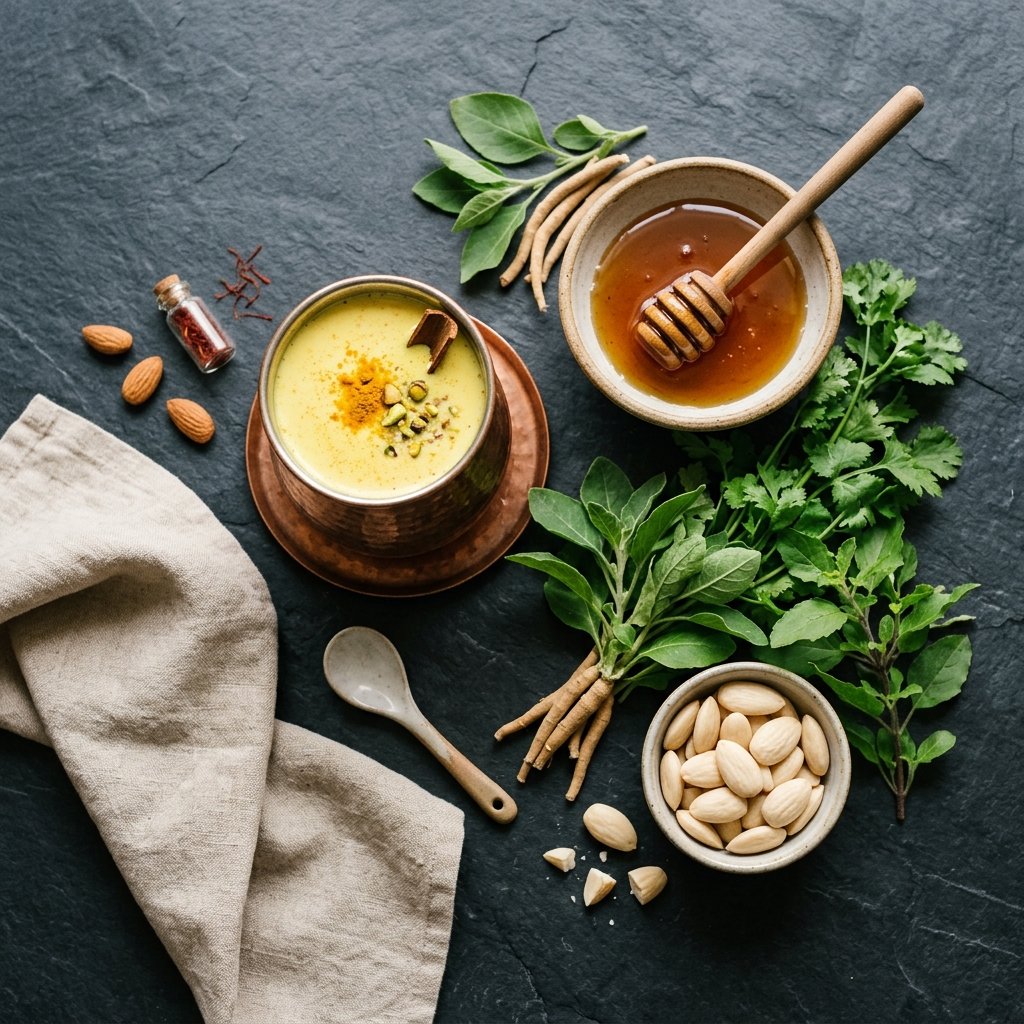
Nourishing foods include milk, ghee, nuts, sesame seeds, dates, pumpkin seeds, fresh honey, saffron, and avocados. Plant-sourced proteins like beans, peas, and whole grains are exceptional for couples.
Spices like ajwain powder and turmeric improve the interaction between hormones and targeted tissues. Cumin seeds purify the uterus in women and the genitourinary tract in men. Trans-fats, artificial sweeteners, excess alcohol, smoking, and caffeine should be permanently shunned to protect fertility.
Fertility Wisdom
from Our Experts
Discover the principles of Ayurvedic infertility treatment, watch patient success stories, and learn how natural therapies can help you achieve parenthood.
Clarity before
the first step.
Every fertility journey is different. These answers are general; your doctor will advise you after assessment.
What happens in the first consultation?
The physicians review both partners’ medical history, lifestyle, diet, emotional wellbeing and Ayurvedic constitution. Existing reports can be brought to the appointment.
Is every patient advised Panchakarma?
No. Therapies are chosen only when clinically appropriate. Your plan may include nutrition, daily routine, herbal support, stress practices, Panchakarma, or a combination.
Can Ayurvedic care complement ongoing treatment?
Discuss all current medicines and fertility treatment with both care teams. The clinic can then assess whether and how complementary Ayurvedic support may be suitable for you.
How long does treatment take?
Timelines depend on age, diagnosis, health history and the chosen care plan. No responsible fertility treatment can guarantee conception or a fixed timeframe.